
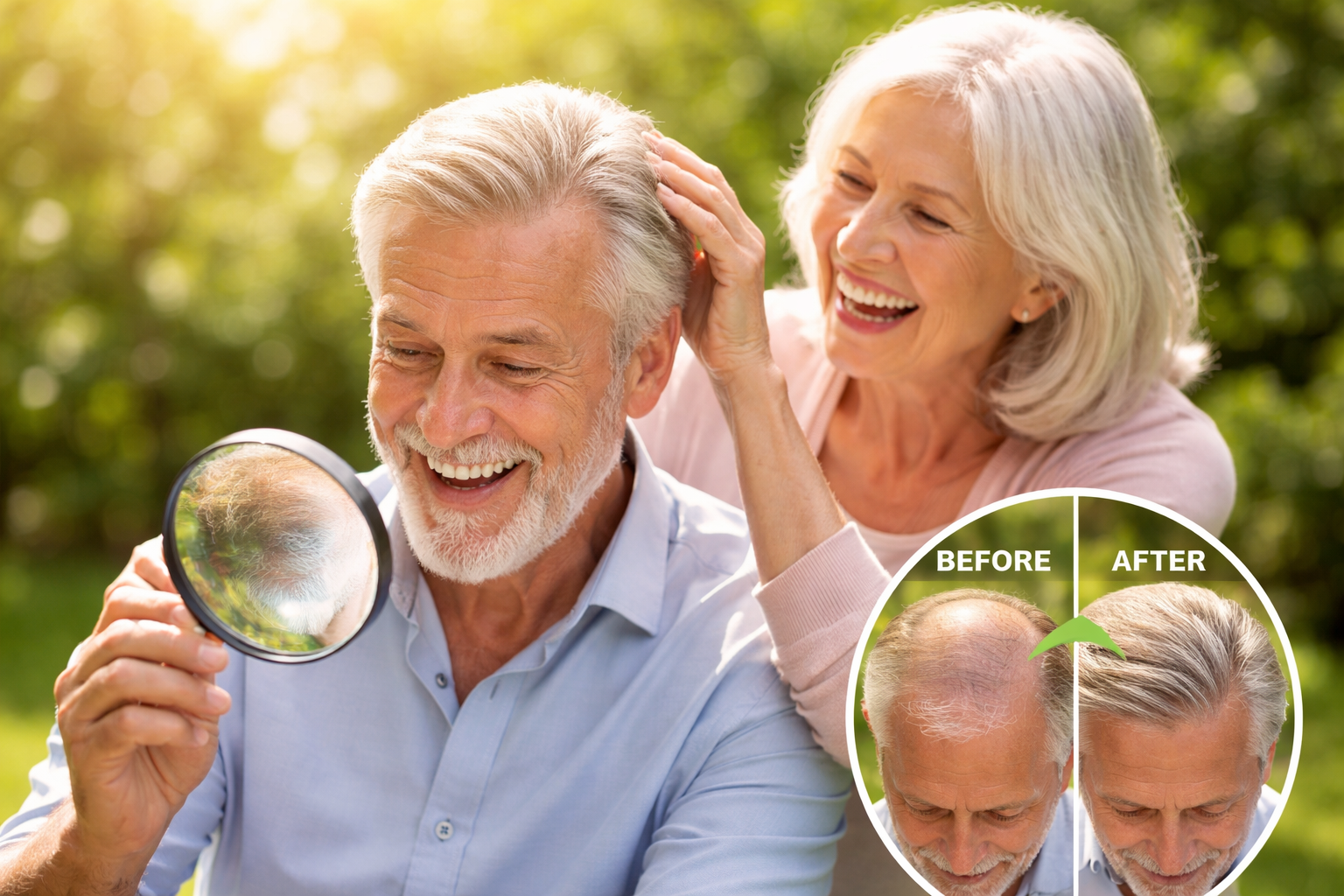
Introduction
Keeping a full head of healthy hair is a common concern, especially as we age. Hair loss or thinning can be distressing, but one controllable factor is nutrition. Vitamins and minerals play a crucial role in hair follicle health and growth. For seniors in particular, ensuring adequate intake of key nutrients is important, since deficiencies become more common with age. In this comprehensive review, we’ll explore the best vitamins for hair growth, how they contribute to healthy hair, and what the evidence says. We’ll also discuss related factors like the normal hair growth cycle, common causes of hair loss (from genetics to diet), and whether supplements can truly speed up hair growth. Throughout, the tone will remain accessible and consumer-friendly, with research-based insights (and a touch of academic rigor) to serve both seniors and policy makers looking for credible information.
Why Focus on Vitamins for Hair Health?
Vitamins are essential micronutrients that support numerous bodily functions, including the growth and repair of tissues like hair. Hair is made mostly of a protein called keratin, and its follicles require a steady supply of nutrients to produce strong, growing strands. If you are deficient in certain vitamins or minerals, one symptom can be increased hair shedding or slower growth[1][2]. It makes sense, then, that correcting a deficiency or ensuring an optimal diet could help maintain healthy hair. On the flip side, loading up on vitamins isn’t a magic bullet for baldness – not all hair loss is due to nutrition. This review will help distinguish myth from fact, highlight which vitamin deficiencies are linked to hair loss, and discuss the best ways (diet or supplements) to get these nutrients for hair growth.

Understanding Hair Growth
Before diving into vitamins, it’s helpful to understand how hair grows and why it falls out.
- The Hair Growth Cycle: Hair growth happens in cycles with three main phases. In the anagen phase, hair actively grows from the root (this phase can last 2-7 years for scalp hair). Next is catagen, a short transitional phase when growth stops. Finally, telogen is a resting phase after which the hair sheds (also sometimes distinguished is an exogen shedding phase). At any given time, about 90% of scalp hairs are in the growing (anagen) stage[3]. After a hair falls out, the follicle can produce a new hair and re-enter anagen. The average rate of growth is around 1 centimeter per month in anagen[4]. If something shortens the anagen phase or pushes more hairs into telogen, you’ll notice thinning or excess shedding (a condition called telogen effluvium if more than ~10% of hairs go into telogen)[5].
- How Much Hair Loss is Normal? It’s perfectly normal to lose some hair each day as old strands reach the end of their life cycle. According to the American Academy of Dermatology, shedding 50 to 100 hairs per day is typical for most people[6]. You might see these hairs on your brush or in the shower drain and assume it’s a problem, but that level of shedding is part of the natural renewal process. People with longer hair may notice it more, simply because shed strands are more visible. If you’re seeing clumps of hair, bald patches, or a drastic increase in shedding beyond the normal range, that’s when to be concerned and speak with a doctor[7][8].
- Factors Affecting Hair Growth: Many influences determine the fullness of your hair. Genetics is a major factor – hereditary hair loss (androgenetic alopecia, like male-pattern or female-pattern baldness) causes gradual thinning due to genetic sensitivity of hair follicles to hormones. Age plays a role; hair grows more slowly and strands become finer as we get older. Hormonal changes (such as menopause, thyroid disorders, or postpartum hormone shifts) can trigger shedding. Stress or trauma (physical stress like illness/surgery or emotional stress) can push hair into a shedding phase (telogen effluvium) a couple months after the stressful event[9][10]. Certain medications (e.g. some blood thinners, chemotherapy, high vitamin A doses) and illnesses can cause hair loss. Crucially, nutritional deficiencies are a well-recognized contributor to hair loss[11]. Lacking essential vitamins or minerals can weaken hair structure or disrupt the growth cycle. Finally, hair care practices can affect hair strength – harsh chemical treatments, tight hairstyles, or excessive heat can cause breakage (though this is hair shaft damage, not true follicle-originating hair loss). In summary, hair loss is often multi-factorial; while this article focuses on nutrition, it’s important to address other causes as well. Significant or sudden hair loss should be evaluated by a dermatologist to identify the root cause.
Key Vitamins for Hair Growth
Not all vitamins directly make hair grow faster, but several are absolutely essential for normal hair follicle function and cell regeneration. A deficiency in any of these can lead to weaker, brittle hair or increased shedding[1]. Below we review the vitamins most often linked to hair health, what they do, how to get them, and the evidence behind their use:
Vitamin A
Vitamin A is known for its role in vision and immune function, but it also contributes to hair and skin health. What does Vitamin A do for hair? It helps promote healthy cell growth throughout the body. Hair follicle cells are among the fastest-growing cells we have, so they depend on vitamin A to thrive[12]. Vitamin A is also involved in the production of sebum – the oily substance our scalp’s glands produce. Adequate sebum keeps the scalp moisturized and hair healthy[13].
Deficiency vs. Excess: A lack of vitamin A is relatively uncommon in developed countries, but in severe cases it can cause dry skin and hair, and brittle hair that may break. (Extreme deficiency leads to issues like night blindness and skin roughness, which indicate systemic problems that would likely affect hair too.) Interestingly, too much vitamin A can cause hair loss. Hypervitaminosis A (usually from taking high-dose supplements or certain medications like retinoids) can trigger hair shedding[14][15]. This is because vitamin A and its metabolites (retinoids) at high levels can disrupt the hair follicle cycling, pushing hairs out of the growth phase[15]. Therefore, balance is key. The Recommended Dietary Allowance (RDA) for vitamin A is about 700 µg daily for adult women and 900 µg for men[16], which you can usually get from a healthy diet. Good food sources include carrots, sweet potatoes, spinach, kale, eggs, and milk – all rich in beta-carotene or retinol. As a rule, do not exceed the recommended amount via supplements without medical supervision, because more is not better for hair in this case[17]. If a blood test shows you are actually deficient, a doctor may suggest a supplement; otherwise, focus on food sources. Remember: excessive vitamin A intake can cause hair loss, so supplements containing mega-doses of vitamin A are generally to be avoided[18].
B Vitamins (Complex) – Including Biotin, B12, etc.
The B-vitamin family is often touted for hair, with Biotin (vitamin B7) being the star of many hair growth supplements. In reality, all B vitamins play roles in cell metabolism and energy production, which indirectly support hair follicle cells. Let’s break down a few important ones for hair:
- Biotin (Vitamin B7): Biotin has a big reputation for promoting hair growth – it’s commonly added to shampoos and nail/hair supplements. Biotin’s actual role is as a coenzyme involved in synthesizing amino acids (the building blocks of proteins like keratin)[19]. Does biotin help hair grow? If someone has a biotin deficiency, they can experience hair thinning, brittle nails, and skin rashes[20]. In those cases, supplementing biotin can dramatically improve hair health and stop loss[21]. However, biotin deficiency is rare in the general population, because our intestines produce some biotin and it’s found in many foods (egg yolks, nuts, whole grains, meats)[22]. For people with normal biotin levels, taking huge doses of biotin may not yield noticeable benefits in hair growth[23]. Recent research and expert reviews indicate there is limited evidence that biotin supplements improve hair growth in otherwise healthy individuals[24]. Most dermatologists agree biotin’s popularity outweighs the science, except in cases of confirmed deficiency[25]. That said, biotin supplements are generally safe (biotin is water-soluble; excess is excreted), but caution: extremely high doses can interfere with lab tests (like thyroid or cardiac enzyme tests)[26]. The daily adequate intake for biotin is only ~30 micrograms, which is easily met through diet[19]. Many hair products contain 5,000–10,000 mcg (5-10 mg) of biotin – far above what you need. Doctors sometimes recommend 3 to 5 mg of biotin daily for hair support[27], especially if minor deficiency is suspected or if you’re on certain medications (for example, long-term anticonvulsant drugs can induce biotin deficiency). Just inform your healthcare provider, because biotin supplements might skew blood test results if not accounted for[28]. In summary: Biotin is essential for hair structure, and deficiency should be corrected; but if your levels are fine, taking extra biotin is unlikely to be a “hair growth magic pill.” Always prioritize getting biotin from foods like eggs, salmon, beef, sunflower seeds, and sweet potatoes, and use supplements judiciously[29].
- Vitamin B12 (Cobalamin): B12 is crucial for DNA synthesis and for making red blood cells. A B12 deficiency can lead to anemia, causing fatigue, and can also manifest as hair loss or hair thinning. That’s because without enough B12 (and its partner folate), your body struggles to deliver oxygen and nutrients to hair follicles via the blood. This nutrient is found in animal foods (meat, poultry, fish, dairy) and seniors are at higher risk for B12 deficiency (due to decreased absorption with age). If you’re a senior with hair loss and also experiencing tiredness or numbness/tingling, ask your doctor about checking B12 levels. Restoring B12 (through diet or supplements) could improve hair health if you were deficient – though it’s more about preventing excessive loss rather than making hair grow super fast. Many over-the-counter hair vitamins include B12 and other B-complex vitamins to “cover the bases.”
- Niacin (Vitamin B3) and others (B2 riboflavin, B5 pantothenic acid, B6): Niacin helps with blood circulation and has been used in some hair products (a flushed scalp from niacin may increase blood flow to follicles – though evidence for hair growth is anecdotal). Severe niacin deficiency (pellagra) causes dermatitis, diarrhea, dementia – and can include hair loss – but that level of deficiency is uncommon today. Riboflavin (B2) and Pantothenic acid (B5) are occasionally mentioned in context of hair; deficiencies of these can cause skin disorders and perhaps contribute to hair loss, but true deficiencies are rare in balanced diets. Folate (Vitamin B9) is important for cell division – folate deficiency (often alongside B12 deficiency) can cause anemia and hair shedding. Interestingly, folic acid supplements (as in prenatal vitamins) are sometimes noted to improve hair thickness or regrowth in those with hair loss, since folic acid helps in the production of new cells (including hair cells). This is one reason prenatal vitamins have been rumored to make hair grow – they contain high folic acid and iron. In reality, prenatal vitamins may assist hair for women who were low in those nutrients to begin with[30][31], but they are not a miracle for hair if you’re already well-nourished.
Bottom line on B vitamins: They are absolutely necessary for healthy hair growth, but most people get enough through a varied diet. If you are experiencing hair loss and also have signs of B-vitamin deficiencies (like anemia symptoms for B12/folate, skin rashes for biotin, etc.), addressing those will help. Many hair supplements contain a “B-complex” blend because B vitamins support the growth of cells (hair follicles included)[32]. For seniors, supplementation might be considered if dietary intake is low or absorption is an issue – for example, B12 supplements or injections for those with pernicious anemia, or a biotin supplement if labs indicate low biotin. Always check with a healthcare provider before high-dose B vitamins, since extremely high doses of B6 can cause nerve issues, and as mentioned, high biotin can interfere with lab tests[28].
Vitamin C
Vitamin C is well-known as an antioxidant and immune booster, but it also plays several roles relevant to hair health. Firstly, vitamin C is required for collagen production – and collagen is a protein that helps strengthen hair (collagen forms part of the hair structure and the surrounding scalp connective tissue)[33]. In fact, vitamin C helps in the creation of keratin as well, because keratin-producing cells rely on collagen support[34]. Secondly, vitamin C helps the body absorb iron from the diet[35][36]. This is critical because iron deficiency is a very common cause of hair loss (more on that in the minerals section). If you’re taking iron supplements or eating iron-rich foods for hair, having enough vitamin C will improve iron uptake in the gut. Finally, as an antioxidant, vitamin C helps combat oxidative stress. Hair follicles, like all cells, can be damaged by free radicals (unstable molecules). Oxidative stress is thought to play a role in aging of hair and potentially hair loss. Vitamin C can neutralize free radicals, potentially protecting follicles from aging and damage[33]. Some research suggests oxidative stress contributes to a form of hair loss called alopecia areata (an autoimmune hair loss), and antioxidants like vitamin C and vitamin E might help in those cases by reducing inflammation[37].
Severe vitamin C deficiency (scurvy) is rare now, but it is known to cause corkscrew hairs and hair that breaks easily, along with bleeding gums and other issues. So you definitely want sufficient C for healthy hair shafts. The RDA for vitamin C is about 75 mg (women) to 90 mg (men), though many people take more for general health. How to get it: Citrus fruits (oranges, lemons, grapefruit), strawberries, kiwis, bell peppers, and broccoli are all rich in vitamin C. Supplements like a daily 500 mg or 1000 mg vitamin C are common and safe for most (upper limit ~2000 mg/day due to GI side effects). If you have hair loss related to iron deficiency, doctors often recommend taking vitamin C alongside iron pills to boost absorption[38]. In summary, vitamin C supports the infrastructure of hair (via collagen) and helps keep the scalp and follicles healthy through its antioxidant activity[33]. It’s a key supporting player in any hair-healthy diet or supplement regimen, even if it’s not often hyped as a “hair growth vitamin” on its own.
Vitamin D
Vitamin D has emerged in recent years as one of the most important vitamins for hair health, especially because deficiency in vitamin D is common and has been linked to various hair loss conditions. Vitamin D plays a role in the life cycle of hair follicles – it is thought to help create new hair follicles and “wake up” follicles in the growth phase[39]. Each hair follicle has receptors for vitamin D; the vitamin D receptor is actually needed for the normal cycling of hair follicles (in animal studies, absence of these receptors led to hair loss). Low vitamin D levels have been observed in people with different types of hair loss, including androgenetic alopecia (pattern baldness) and alopecia areata (autoimmune patches of hair loss)[40]. For example, research has found that individuals with alopecia areata or female pattern hair loss often have significantly lower vitamin D levels than those without hair loss[41].
Can vitamin D supplements regrow hair? There is some evidence that if you are deficient and experiencing hair thinning, correcting the deficiency can improve things. One study noted that supplementing vitamin D may help with hair regrowth in people with alopecia areata, possibly due to vitamin D’s role in immune regulation[42][37]. Vitamin D has anti-inflammatory properties and modulates the immune system, which might explain why it could help in autoimmune hair loss (alopecia areata)[42]. In general, dermatologists have found it worthwhile to test vitamin D levels in patients with hair loss – if levels are low, they’ll recommend supplements[39]. Many of us (up to 40% of adults in the U.S.) are vitamin D deficient without realizing it[43], especially seniors who may get less sun exposure or have reduced skin synthesis. Signs of low vitamin D can include fatigue, bone pain, muscle weakness, and yes, hair loss and slow hair growth.
For seniors, vitamin D3 supplements are often recommended for bone health anyway. The bonus is it may support your hair. A common dose is 1000–2000 IU (25–50 µg) of vitamin D3 daily, though doctors may prescribe higher doses temporarily if someone’s levels are very low. Dr. Shilpi Khetarpal, a dermatologist, specifically advises a multivitamin with at least 2000 IU of vitamin D for hair health[44]. Food sources of D are limited (fatty fish like salmon and mackerel, fortified milk and cereals, egg yolks), and sunlight on skin triggers our vitamin D production. Due to skin cancer concerns, many older adults don’t get a lot of sun, so supplementation is usually the safest way to reach sufficient vitamin D. Optimal blood levels (25-hydroxy vitamin D) are often considered to be above 30 ng/mL; if you’re below that, you have room to increase intake. In summary, vitamin D is one of the best vitamins for hair growth in the sense that correcting a deficiency can noticeably improve hair thickness in some people[42]. It’s not a miracle cure for genetic baldness, but it’s a low-hanging fruit: if you have hair loss and low D, vitamin D supplements could be a game-changer for your hair and overall health.
Vitamin E
Vitamin E is another antioxidant vitamin like C, and it helps maintain a healthy scalp and hair by reducing oxidative stress. It protects cell membranes from damage by free radicals. Why might this matter for hair? Because oxidative stress in the scalp has been linked to hair loss and aging of hair follicles. One study (2010) found that people with hair loss had significantly lower levels of vitamin E in their scalp skin than people with full hair[37]. In that study, a group of individuals with alopecia (some sources say alopecia areata, others just say men and women with hair loss) took vitamin E supplements for 8 months. The result was a 34% increase in the number of hairs in the supplement group, compared to a slight decrease in a placebo group[37]. The researchers suggested that vitamin E’s antioxidant effect reduced oxidative stress in the scalp and allowed better hair growth. Another context is alopecia areata (the autoimmune condition causing round bald patches): some small studies have indicated vitamin E (tocotrienol form especially) might help improve hair density in those patients, again possibly by mitigating oxidative damage or immune-mediated damage to follicles[37].
Besides antioxidant effects, vitamin E also aids blood circulation. It can help dilate blood vessels so that blood (and oxygen/nutrients) flow more easily to the extremities – including the scalp. Some people even use vitamin E oil topically on the scalp for conditioning benefits, though evidence for that is mostly anecdotal.
Dosage and sources: The RDA for vitamin E is about 15 mg (22 IU) per day. Dietary sources include nuts and seeds (almonds, sunflower seeds are excellent sources), plant oils (sunflower, safflower, wheat germ oil), and green leafy vegetables. Most standalone vitamin E supplements come in 100–400 IU doses (1 IU of natural vitamin E is ~0.67 mg alpha-tocopherol). Caution is warranted with high-dose vitamin E supplements: Taking very large doses (400+ IU per day long-term) has been associated with health risks such as a higher risk of bleeding and even all-cause mortality in some studies[45][46]. Because vitamin E is fat-soluble, it can accumulate. Therefore, if you choose to supplement, don’t greatly exceed the recommended amount without medical advice. A balanced multivitamin or a standard 15–30 mg (22–45 IU) vitamin E supplement is generally safe. For hair purposes, mega-dosing E is not necessary; the goal is simply not to be deficient. Many people get enough from diet if it includes nuts, seeds, and veggies. But seniors with fat-malabsorption issues or very low-fat diets could have low vitamin E.
In summary, vitamin E can support a healthy scalp environment for hair growth by protecting follicles from oxidative damage and inflammation[37]. It’s one piece of the puzzle, and works best in concert with other nutrients. If you eat a handful of nuts or seeds daily (or use a bit of olive/sunflower oil in cooking), you’re likely covering your vitamin E needs.
Those are the major vitamins usually discussed in relation to hair: A, B-complex (especially biotin, B12, folate), C, D, and E. You might be wondering about other vitamins like Vitamin K – however, vitamin K is not notably linked to hair growth (it’s more about blood clotting and bone health). Vitamin H is actually biotin (just another name for B7, often “H” for Haar und Haut, which is German for hair and skin). So we’ve covered the key players on the vitamin side. Now, equally important are certain minerals and other nutrients that often come up in the context of hair growth.
The Role of Minerals in Hair Growth
Just as vitamins are essential, so are minerals. Three minerals in particular stand out for hair health: Iron, Zinc, and Selenium. Others like magnesium, silica, and iodine can also play a role indirectly. Let’s examine the top three first:
Iron
Iron deficiency is one of the most common nutritional deficiencies worldwide and a well-known cause of hair loss. Iron is a vital component of hemoglobin in red blood cells, which carry oxygen to all your tissues – including the hair follicles. If you don’t have enough iron, you can develop iron-deficiency anemia, meaning your blood can’t deliver sufficient oxygen. Hair follicles are very sensitive to dropping oxygen levels and nutrient supply; they may shrink or shed hairs early if they’re not getting what they need[47]. In fact, women with hair loss often show low iron stores (ferritin levels) in blood tests, even if they aren’t anemic yet[48]. Many dermatologists will check ferritin (stored iron) in patients with diffuse hair thinning or chronic shedding. Often, they find low ferritin (e.g., <30 ng/mL), and improving iron status has been correlated with improved hair growth in some cases.
It’s important to note that iron deficiency can cause a type of diffuse hair shedding that looks similar to telogen effluvium or can even exacerbate genetic hair loss. Conversely, excess iron is not good either – too much iron can produce oxidative stress and be toxic. So you want adequate, but not excessive iron.
Iron for seniors: Postmenopausal women and men are less likely to be iron deficient due to lack of menstrual losses, but some older adults become deficient from other causes (like chronic internal bleeding, ulcers, or just insufficient iron intake). Also, vegetarians/vegans might have a harder time getting iron from diet. If labs confirm iron deficiency (low ferritin, low hemoglobin), a doctor may recommend iron supplements. Supplementing iron when needed can help regrow hair in those individuals[48][47]. There’s some evidence it even helps with premature graying, as one study noted iron supplementation had a benefit on hair pigmentation (though gray hair has many causes). If you decide to take iron for hair, pair it with vitamin C – either a supplement or a glass of orange juice – to boost absorption[38]. And take only the dose prescribed; more iron is not better because iron pills can cause constipation or even be dangerous in overdose. Healthy adult males and postmenopausal females typically need ~8 mg of iron per day, while premenopausal women need ~18 mg per day (due to menstrual loss). Iron-rich foods include red meat, poultry, seafood, beans, lentils, tofu, fortified cereals, and spinach. If you eat red meat fewer than a couple times a week or follow a plant-based diet, it’s worth ensuring other sources of iron or considering a multivitamin with iron[49].
In summary, iron is possibly the most critical mineral for hair. If you have unexplained hair loss, checking iron levels is a good first step. Many hair supplement formulas include iron for this reason. But be careful – don’t supplement iron unless you truly need it, since too much can cause health issues. A healthcare provider can guide you on testing and dosage. When indicated, correcting iron deficiency often leads to stronger, thicker hair over a period of several months[39][48].
Zinc
Zinc is an essential trace element involved in tissue growth and repair, including hair tissue. It’s required for protein synthesis and cell division – basically, your hair follicles need zinc to churn out new hair. Zinc also helps keep the oil glands around follicles working properly. What happens if you lack zinc? Zinc deficiency can cause hair loss (often with associated symptoms like poor wound healing, weak immunity, and sometimes skin lesions)[50]. In fact, hair loss is a hallmark symptom of severe zinc deficiency (seen in rare genetic disorders or severe malnutrition). Even mild zinc insufficiency might contribute to thinning hair or a dry, flaky scalp.
Conversely, having sufficient zinc may promote regrowth if deficiency was an issue. Studies have noted that some people with alopecia areata or telogen effluvium have low zinc levels and see improvement when given zinc supplements. One caution: Too much zinc can also cause problems, including paradoxical hair loss, because excessive zinc can interfere with other minerals (like copper). The daily need for zinc is around 8 mg for women and 11 mg for men. The tolerable upper limit is 40 mg per day for adults[51]. Chronic high intake above that can lead to copper deficiency and anemia (and hair issues), so more zinc is not always merrier[52].
Zinc sources: You get zinc from meat, shellfish (oysters are famously high in zinc), beans, nuts, and whole grains. It’s also present in many multivitamins and hair supplements (often 8-15 mg per dose). If a blood test shows low zinc, a supplement might be recommended for a short period. Dermatologists sometimes include zinc in hair loss treatment plans, especially if lab results suggest low-normal levels, because it’s relatively easy to supplement at safe levels and might help. For example, one dermatologist-developed hair supplement provides 100% of the daily zinc requirement[2], ensuring you’re not deficient. There is some evidence that zinc supplementation can lead to hair regrowth in zinc-deficient alopecia, which underscores the value of zinc[2]. But again, if you already get plenty of zinc, adding more won’t magically sprout new hairs and could do harm.
In summary, zinc supports healthy hair growth by helping in follicle cell proliferation and hormone regulation (it’s involved in androgens which influence hair). Keep zinc in balance: ensure your diet or multivitamin provides the daily requirement, and correct any deficiency, but avoid mega-doses unless under medical supervision[52].
Selenium
Selenium is a trace mineral that’s important for the body’s antioxidant enzymes (like glutathione peroxidase). These enzymes protect cells (including hair follicle cells) from oxidative damage. Selenium also plays a role in thyroid function, and thyroid hormones in turn affect hair growth. Both selenium deficiency and excess can affect hair. On one hand, selenium deficiency can contribute to hair loss (it’s not common, but areas with selenium-poor soil have higher incidence of deficiencies). On the other hand, too much selenium (selenium toxicity) is notorious for causing hair loss, as well as nail brittleness, fatigue, and other issues[18]. In parts of China, people who ate foods with extremely high selenium (through soil) developed a condition called selenosis which included hair falling out. So with selenium, you want the Goldilocks amount – not too little, not too much.
The Recommended intake is small: only 55 micrograms per day for adults. Brazil nuts are famously high in selenium (a single Brazil nut can give 68–91 mcg, exceeding the daily requirement!). Other sources include seafood, meats, and whole grains. Many multivitamins have around 50-100 mcg selenium. If you eat a balanced diet, you likely get enough. Unless a healthcare provider diagnoses a deficiency, selenium supplements specifically for hair are usually not needed (and you should be cautious of any supplement exceeding 200 mcg of selenium daily). Some hair growth products include selenium in small amounts as it’s one of the “hair health minerals”[53], but it’s generally there to ensure you’re not deficient. There is some research into selenium’s role in autoimmune thyroid conditions and alopecia areata (since alopecia areata is more common in those with thyroid autoimmune issues, and selenium can support thyroid autoimmunity). However, evidence is still emerging.
Bottom line: Selenium is required for healthy hair, but it’s a trace element – you need it in the right dose range. If you suspect you’re not getting enough (e.g., you never eat nuts, seafood, or grains), a multivitamin will cover it. Do not overdose on selenium thinking it will regrow hair; it might have the opposite effect if you overshoot[18].
Other Notable Nutrients for Hair
Beyond the big three minerals above, a few other nutrients deserve a mention:
- Protein (Amino Acids): Since hair is made of protein (keratin), adequate protein intake is fundamental. If someone is not consuming enough protein (which can happen in restrictive diets or in older adults with very low appetite), hair growth will slow or hair may shed. In extreme protein malnutrition (like kwashiorkor), hair can become thin, reddish, and brittle. Certain amino acids are particularly important for hair – for example, L-lysine (an essential amino acid) has been shown to help some women with chronic hair shedding, especially in combination with iron[54]. Lysine may aid iron absorption and utilization in hair follicles. Another amino acid, cysteine, is a building block of keratin; some supplements include N-acetylcysteine or other amino acids to support hair formation. Collagen supplements, which are basically hydrolyzed amino acids from collagen protein, have become popular for hair, skin, and nails. They provide amino acids like proline and glycine. While not a vitamin or mineral, ensuring enough protein (whether through diet or supplements like collagen powders) can create an optimal environment for hair growth. Seniors should aim for adequate protein at each meal to support not just muscle, but also hair structure.
- Magnesium: The keyword list included magnesium, and indeed magnesium is involved in over 300 biochemical reactions, including protein synthesis. Some experts note that magnesium helps prevent calcium buildup on scalp hair follicles (which can happen if calcium deposits around the follicle, potentially hindering growth)[55][56]. Severe magnesium deficiency can contribute to hair loss indirectly by amplifying stress or affecting scalp circulation[57]. While magnesium isn’t typically at the forefront of hair loss treatments, maintaining adequate magnesium (through green veggies, nuts, whole grains, or a supplement if needed) is part of overall nutritional balance that could benefit hair. Magnesium also helps with stress reduction, and since stress can cause hair shedding, there’s an indirect benefit there.
- Omega-3 Fatty Acids: These are not vitamins or minerals, but omega-3s (like those in fish oil) deserve mention for hair health. Omega-3 fatty acids have anti-inflammatory properties. They nourish the scalp and may promote hair thickness and elasticity. One study in 2015 found that women who took an omega-3 and omega-6 supplement along with antioxidants had a significant increase in hair density and reduced hair loss after 6 months, compared to a placebo[58]. Omega-3s (such as EPA and DHA from fish oil) are thought to improve hair by supporting scalp health, reducing inflammation around follicles, and possibly prolonging the anagen (growth) phase. You can get omega-3s from eating fatty fish (salmon, mackerel, sardines), flaxseeds, chia seeds, or walnuts. For those who don’t eat those regularly, a fish oil supplement or vegan omega-3 algae supplement could be beneficial not just for hair but for heart and brain health. Omega-3s essentially help keep the hair you have healthy and may reduce hair follicle miniaturization that can occur from inflammation.
- Other trace elements: Copper is needed in tiny amounts for hair pigmentation (copper-dependent enzymes are involved in melanin production). Copper deficiency (rare) can cause hair to lose pigment (turn gray) and become kinky; but again, deficiency is uncommon outside malnourished states. Silicon (silica) from sources like horsetail extract has been marketed for hair strength – some research suggests it might improve hair thickness by aiding collagen, but evidence is modest. Iodine is crucial for thyroid function, and since thyroid disorders cause hair loss, maintaining iodine (from iodized salt or seaweed) to keep your thyroid healthy can indirectly benefit hair.
In summary, minerals and nutrients work in synergy with vitamins to support hair growth. A well-rounded diet or a quality multivitamin/mineral supplement can cover these bases. Iron and zinc stand out as minerals to pay attention to if you have hair loss – check those levels and correct deficiencies with your doctor’s guidance[39][48]. Ensuring enough protein and healthy fats (omega-3s) in your diet will also create a favorable environment for hair to grow.
Do Hair Growth Supplements Work?
With an understanding of key vitamins and minerals, you might wonder if you should take a dedicated “hair growth” supplement that bundles many of these together. The market is flooded with products promising thicker, longer hair – from multivitamin pills to gummies to liquid tonics. The truth is, hair growth supplements aren’t miracle solutions, but the right one may help fill nutritional gaps that contribute to thinning or shedding[59]. If your hair issues are partly due to a vitamin or mineral shortfall, a supplement can indeed improve hair over a few months by correcting that deficiency. However, if your hair loss is due to genetics or a medical condition, no over-the-counter vitamin pill will completely reverse it.
Comparing Different Approaches: You essentially have a few options:
- General Multivitamin: A standard multivitamin (like a daily senior formula) will contain a broad range of nutrients at 100% of daily values. This is a good safety net if your diet is not ideal. It will typically have vitamins A, C, D, E, all the B vitamins, and some minerals like zinc, selenium, copper, etc. A multivitamin is not specific to hair, but it covers the bases and can help if, say, you weren’t getting enough D or iron. Dermatologists often recommend simply starting with a multivitamin plus perhaps extra vitamin D and iron (if needed) for hair loss patients[44][49]. For instance, Dr. Khetarpal (Cleveland Clinic) suggests a multivitamin containing B vitamins, zinc, and at least 2000 IU of D for those concerned about hair[44]. This approach ensures no glaring deficiencies.
- Specialized Hair Supplements: These are products like Nutrafol, Viviscal, Hair La Vie, and various “Hair, Skin & Nails” vitamins. They typically contain the standard vitamins and minerals we discussed (often high-dose biotin, vitamins A, C, D, E, zinc, selenium, etc.) and additionally include proprietary blends of herbs or compounds. For example, Nutrafol (a popular brand) includes not just biotin and selenium and vitamin A, but also saw palmetto extract (to combat DHT hormone in androgenetic alopecia), ashwagandha (an adaptogen to reduce stress, since stress can trigger shedding), collagen peptides, and amino acids like L-lysine[60][61]. Viviscal is another well-known supplement, which contains a marine collagen complex (shark and mollusk powder), biotin, vitamin C, iron, and a silica compound. It has some clinical studies showing it improved hair thickness in women with thinning hair over 6 months. The advantage of these specialized supplements is that they target multiple potential causes of hair thinning at once: nutritional gaps, stress, and hormones[62]. Some are even tailored by demographics – e.g., Nutrafol Women’s Balance is formulated for women over 45 (accounting for menopausal changes)[59][63].
Do they work? Some users and studies report positive results, but remember these often contain so many ingredients that it’s hard to pinpoint what’s doing what. It could be that they effectively treated a subtle nutrient deficiency (like low iron or D) the person didn’t know they had. Or perhaps the saw palmetto in it helped a bit with hormone-related shedding. Clinically, products like Nutrafol and Viviscal have shown improvements in hair density for some users and are even recommended by dermatologists as adjunct treatments[30][54]. Importantly, these are not overnight fixes – you usually need to take them for 3-6 months to notice a difference, and results vary. They can also be pricey. For seniors on a budget, a regular multivitamin plus targeted supplements (like vitamin D or iron if needed) might provide similar nutritional benefits at lower cost.
- Single Nutrient Supplements: If testing shows you are deficient in a specific nutrient (say ferritin is low, or vitamin D is low), you might take just that supplement in addition to a balanced diet. In many cases, this is the best approach: personalize based on your needs. For example, vitamin D supplements for hair loss make sense if you’re low in D – your doctor may prescribe 2000 IU daily or even a weekly high-dose for a period[39]. Or if you have iron deficiency hair loss, a focused course of iron pills will be key[64]. Biotin could be taken alone if, for some rare reason, you have a biotin metabolism issue or are on a medication that depletes biotin (certain anti-seizure meds). The point is, identify and treat your weak links.
Safety and Efficacy Considerations: It’s worth reiterating that more is not always better with supplements. Taking too much of some vitamins/minerals can backfire and even cause hair loss (too much vitamin A or selenium, for example)[18]. Always stick to recommended doses. Hair supplements often have very large amounts of certain vitamins (like 5000% of the daily value of biotin, etc.). These high levels are generally not proven to be necessary for people who aren’t deficient – the excess will be excreted or in some cases could cause side effects. Biotin megadoses, for instance, haven’t shown proportional benefits and can confuse lab tests as mentioned. High-dose vitamin E could raise bleeding risk, which might be a concern for seniors on blood thinners[65]. If you’re on any medications, check for drug-supplement interactions (for example, high-dose zinc can interfere with absorption of certain antibiotics[52], and biotin interferes with thyroid lab tests).
For older adults, another issue is polypharmacy – many seniors take multiple medications, and adding supplements adds to the list. Always inform your healthcare provider of any supplements you take to avoid interactions and duplications. For instance, if you take a separate hair supplement plus a multivitamin, you might be getting double doses of certain nutrients like zinc or A, so compare labels.
Finally, keep expectations realistic. Supplements may support fuller, healthier-looking hair, but they cannot replace a well-rounded diet or cure medical conditions causing hair loss[66]. And no supplement will regrow hair on a completely bald shiny scalp – those cases (like advanced male pattern baldness) typically need medical treatments (e.g. minoxidil, finasteride) or hair transplantation to see significant regrowth. Vitamins work best for diffuse thinning and weak, brittle hair situations, where nourishment can strengthen existing follicles.
What Is the Best Vitamin for Hair Growth?
People often ask if there’s a single “best” vitamin that will make hair grow faster or thicker. The truth is that hair growth is a complex process requiring many nutrients in synergy. No one vitamin alone holds the key to lush hair. If pressed, one might say Biotin (B7) is the most famously linked to hair, or Vitamin D is critical given how common its deficiency is. Iron (though not a vitamin) might be the most crucial of all for those who are deficient. But really, the “best vitamin” is the one you’re lacking. For someone with iron-deficiency anemia, iron is the game-changer – they might see hair regrowth after restoring iron levels[39]. For someone low in vitamin D, getting their D up could restart some stalled follicles[42]. If you never eat fruits or veggies and are low in vitamin C, adding that might help your iron absorption and collagen formation for hair[35]. So, identify any personal deficiencies.
That said, if we assume a person has various mild suboptimal levels, a comprehensive hair supplement or multivitamin containing biotin, vitamin D, vitamin C, vitamin A (not excessive), vitamin E, and zinc and iron might collectively be “the best” approach. In seniors, Vitamin D and Biotin seem to get a lot of attention – vitamin D because of its clear link with hair loss when low, and biotin because older adults sometimes have absorption issues or medications that lower biotin (and biotin supports keratin infrastructure)[25][42]. Dermatologists often recommend those two, along with iron and zinc if needed, as a starting point.
To put it succinctly: The best vitamin for hair growth is the one your body is missing. If you’re nutritionally balanced, extra vitamins won’t make hair grow beyond its natural capability. But if you have a hidden deficiency, addressing it can noticeably improve your hair’s thickness and shine. Rather than chasing one miracle vitamin, focus on balanced intake of all the essentials we discussed.
Biotin: Hype vs. Reality (A Closer Look)
Because “best biotin vitamins for hair growth” was a suggested subtopic, let’s quickly address this. Biotin supplements are everywhere, from high-potency pills to gummies that taste like candy. They’re marketed heavily for hair (and nails). Do you need a ‘biotin vitamin’ for hair? For the majority of seniors with hair loss, biotin levels are likely normal, and taking more biotin might not yield results[23]. However, biotin is so safe and relatively inexpensive that many people take it anyway “just in case.” If you decide to try biotin, you don’t necessarily need those extreme doses. A supplement of 30 mcg (100% DV) up to 5,000 mcg is sufficient. Many hair gummy vitamins have 2,500 mcg which is fine. There’s no harm for most people (again, aside from lab test interference). Keep in mind biotin is naturally present in common foods (egg yolks, nuts, legumes), and true deficiency is rare unless you have certain conditions (like biotinidase enzyme deficiency, or you consume a huge amount of raw egg whites over time which bind biotin).
One scenario where biotin is beneficial is if you have brittle, splitting nails along with thinning hair – biotin can improve nail strength, and that often correlates with better hair strength. Also, certain medications (e.g. long-term antibiotics, or isotretinoin for acne) or smoking can lower biotin, so supplementing could help hair in those cases.
In summary, while biotin is not a panacea, it has become almost a “default” hair vitamin because it’s easy to include and is involved in keratin production[67]. Just manage expectations and be mindful of the lab test issue (if you’re getting blood work done, mention you take biotin so they can advise stopping it a few days before tests to avoid interference).
A balanced diet rich in vitamins and protein supports healthy hair. Salmon, eggs, spinach, quinoa, and cucumbers – as shown in this heart-shaped bowl – provide key nutrients like biotin, protein, iron, vitamin D, and vitamin C for hair growth.
Lifestyle Tips for Healthy Hair
While nutrients form the foundation, don’t overlook general hair care and lifestyle, especially for seniors:
- Follow a nutrient-dense diet: Emphasize foods high in the vitamins and minerals discussed. For example, integrate fatty fish (for vitamin D and omega-3s), leafy greens (for folate, vitamin C, iron), beans or lean red meat (for iron and zinc), nuts and seeds (for vitamin E and healthy fats), and eggs (for protein and biotin). Consider the Mediterranean diet approach – it’s been associated with lower risk of pattern hair loss progression, possibly due to its anti-inflammatory and antioxidant-rich foods[68]. A small study found that following a Mediterranean-type diet (with lots of vegetables and herbs) was correlated with less hair thinning in middle-aged men and women.
- Stay hydrated and exercise: Scalp health is improved by good circulation and hydration. Cardiovascular exercise increases blood flow to the skin (including scalp), delivering more nutrients to hair roots. Hydration keeps your skin and scalp from getting overly dry.
- Hair care practices: Treat your existing hair gently to prevent breakage which can make hair look thinner. Use a mild shampoo and conditioner (conditioning helps reduce breakage, as per the American Academy of Dermatology’s advice)[69]. Avoid very tight hairstyles that tug on hair (traction can damage follicles over time). Limit harsh chemical treatments and high-heat styling which can weaken hair shafts. Using a soft brush or wide-tooth comb and avoiding roughly towel-drying hair can preserve strands. These measures don’t affect new growth from the follicle, but they help you keep the hair you do have strong and intact[69].
- Stress management: Chronic stress can push hair into telogen (shedding phase) and cause noticeable thinning a couple months after a major stressor. Techniques like meditation, gentle yoga, or even hobbies and socializing can help seniors reduce stress. Some hair supplements include adaptogenic herbs (e.g. ashwagandha) to address stress; you can also tackle this through lifestyle. Better sleep, if achieved, also helps hair indirectly (since the body repairs itself during sleep, and poor sleep is a stressor).
- Address medical issues: If you have uncontrolled conditions (thyroid disease, diabetes, autoimmune diseases) they can contribute to hair loss. Getting proper treatment for those will often improve hair. For instance, an underactive thyroid (hypothyroidism) commonly causes hair loss – thyroid hormone replacement will usually allow hair to regrow. Similarly, if you suspect a medication is making your hair fall (some blood pressure meds, for example, list hair loss as a side effect), talk to your doctor about alternatives.
- When to see a specialist: If you have significant hair loss (widening part, visible scalp patches, sudden shedding) that isn’t explained by a simple nutritional gap, it’s wise to see a dermatologist. They can diagnose the type of hair loss (there are many types: androgenetic alopecia, alopecia areata, telogen effluvium, etc.) and recommend targeted treatments. Dermatologists might recommend over-the-counter minoxidil (Rogaine) – a topical treatment that stimulates follicles and is clinically proven to help regrow hair or stop hair loss[54]. They might also check for scalp conditions like psoriasis or fungal infections that need addressing. In essence, vitamins are one tool, but sometimes you need medicinal therapies in addition for meaningful improvement.
Emerging and Alternative Supplements (CBD, etc.)
A secondary keyword was “CBD for hair growth,” which reflects growing curiosity about alternative remedies. CBD (cannabidiol) is a non-psychoactive compound from cannabis/hemp plants that has anti-inflammatory properties. Some hair products now infuse CBD, and a few small studies have investigated it. Notably, a 2021 case series found that applying a topical CBD-rich hemp extract daily for 6 months led to a 93.5% increase in hair count in participants with androgenetic alopecia[70]. All subjects had some hair regrowth and reported no adverse effects. This sounds impressive, but remember – this was a small case series (35 people) with no placebo control, so results must be viewed cautiously. The proposed mechanism is through the endocannabinoid system’s role in hair follicle regulation: certain cannabinoid receptors, when activated or blocked, can influence the hair cycle[71]. For instance, blocking one receptor (CB1) might promote hair growth, and CBD can interact with these receptors[72][73]. It’s also suggested that CBD’s anti-inflammatory effect could help with inflammatory scalp conditions that stunt hair growth (like eczema or psoriasis on the scalp)[74]. Additionally, stress-related hair loss might be indirectly helped by CBD if it reduces stress/anxiety for the individual[75].
That said, CBD is not yet a proven mainstream hair loss treatment. Dermatologists point out that we lack large clinical trials. There is also a dose-dependent paradox – some research indicates low doses of CBD might stimulate hair, while higher doses could inhibit it[76][73]. So slathering high-strength CBD oil on your scalp could theoretically even backfire. Until more is known, view CBD as an experimental or adjunct approach. If a senior is experiencing scalp inflammation and is interested in natural remedies, a CBD-infused scalp oil might soothe the scalp and support growth, but results will vary. Always ensure any CBD product is from a reputable source and check with your doctor, especially if you take other medications (CBD can interact with some meds).
Another alternative approach includes essential oils (like rosemary oil has some small evidence of improving hair growth similar to 2% minoxidil in one study) – but again, these are supplementary and not as potent as medical treatments. Pumpkin seed oil is a natural DHT-blocker that in a study improved hair count by 40% in men after 6 months (as a supplement)[31]. Saw palmetto, an herb, has mild DHT-blocking effects too and is included in some hair formulas, possibly helping with hormonal hair loss in men and women[77]. These botanical options may be worth considering for those who cannot use standard medications, but one should manage expectations and use them in combination with core treatments like ensuring good nutrition and possibly minoxidil if appropriate.
Excessive hair on a brush is a common sign of increased shedding. Nutrient deficiencies (like low iron or vitamin D) can cause more hairs to enter the shedding phase. Addressing underlying vitamin and mineral shortfalls can help reduce this type of hair loss[39][48].
Conclusion: Summary of Findings
In this extensive review, we’ve learned that healthy hair growth depends on a variety of vitamins and minerals, each playing a role in the hair follicle life cycle. For seniors and indeed people of all ages, focusing on nutritional health is a key part of maintaining or improving hair thickness. Let’s recap the highlights:
- Vitamin deficiencies can cause hair loss: Being too low in vitamin D, certain B vitamins (like biotin or B12), iron, or zinc are well-documented contributors to hair shedding[39][50]. If you address these deficiencies, hair often recovers – for example, supplementing vitamin D in someone deficient may spur new hair growth or reduce shedding[42], and taking iron in an iron-deficient person can markedly improve hair density[48]. On the other hand, taking excessive amounts of certain nutrients can also cause hair loss or other harm (we saw this with too much vitamin A or selenium)[18], so a balanced approach is critical.
- Best vitamins for hair growth are those that support cell growth and immune function: These include Vitamin A (for cell growth, but only in moderate amounts), the B-complex vitamins (especially Biotin for keratin production and B12/folate for cell division), Vitamin C (for collagen and iron absorption), Vitamin D (for follicle cycling and immune modulation), and Vitamin E (for scalp blood circulation and antioxidant protection). We determined that no single vitamin magically makes hair grow faster, but deficiencies in any of them can impair hair growth[1]. Therefore, the strategy is to ensure sufficiency in all.
- Key minerals for hair are Iron, Zinc, and Selenium: Iron carries oxygen to hair and is often low in women with hair loss[48]. Zinc supports hair tissue growth and oil gland function; low zinc can lead to hair loss which is reversible by correcting it[78]. Selenium protects the scalp via antioxidant enzymes; again, it must be in balance (not too low or high) for optimal hair. We also mentioned that adequate protein and omega-3 fatty acids are important supporting nutrients for hair structure and growth.
- Hair supplements can be helpful but are not cure-alls: For seniors experiencing hair thinning, a quality multivitamin or a targeted hair supplement can fill nutritional gaps and potentially improve hair strength and thickness over time[59][66]. These supplements often combine several vitamins (A, C, D, E, Bs) with minerals (iron, zinc, selenium) and sometimes herbs (like saw palmetto, ashwagandha). They may aid hair growth especially if one’s diet was lacking. However, if hair loss is due to genetic factors (pattern baldness), supplements alone likely won’t fully stop it – that’s where FDA-approved treatments like minoxidil or finasteride, or low-level laser therapy, might be needed in addition (which is beyond our scope). For diffuse thinning or telogen effluvium, supplements alongside addressing the trigger (stress, illness recovery, etc.) can be part of the solution. The key takeaway is: talk to your doctor before starting any new supplement, to ensure it’s appropriate for you and won’t interfere with your medications[79].
- Lifestyle factors matter: Proper hair care, stress management, and a nutritious diet can synergize with supplements. We highlighted that a Mediterranean-style diet rich in antioxidants correlates with better hair health[68], and avoiding traumatic hair practices prevents additional hair breakage. Also, understanding what normal shedding looks like (50-100 hairs/day) helps set realistic expectations – some hair loss is normal and part of renewal[6].
Final Recommendations
For seniors and readers of the National Seniors Policy Center resource, here are practical steps drawn from the information above:
- Get a Check-Up (Including Labs): If you’re facing significant hair loss, visit your healthcare provider for a basic evaluation. Request blood tests for common culprits: thyroid function, iron/ferritin levels, vitamin D level, vitamin B12, and possibly others like RBC folate or zinc. This will pinpoint if a deficiency is contributing. It’s far better to supplement based on evidence of need than to take everything under the sun. For example, if your ferritin is low, prioritize iron and vitamin C. If your vitamin D is low, start D3 supplements. If everything is normal, you might focus on general nutrition and other treatments.
- Optimize Your Diet: Aim to get vitamins through food first. Not only do foods provide the vitamins in bioavailable forms, but they also come with protein and healthy fats which you need for hair. Some quick diet tips:
- Eat protein with every meal (eggs at breakfast, beans or fish at lunch, lean meat or tofu at dinner, etc.).
- Include a wide array of vegetables and fruits for vitamins A and C and folate – think leafy greens, sweet potatoes, carrots, bell peppers, berries, citrus.
- Nuts and seeds or healthy oils for vitamin E and omega-3s (a small handful of almonds or walnuts daily, or ground flaxseed in cereal, etc.).
- Whole grains and legumes for B-vitamins and magnesium.
- If you enjoy seafood, have fatty fish 1-2 times a week for vitamin D, protein, and omega-3s. If not, consider fortified foods (like vitamin D-fortified milk or orange juice).
- Ensure you’re getting some dietary iron: red meat once or twice a week if you eat meat; if vegetarian, use lentils, chickpeas, spinach (with lemon juice or vitamin C source to aid absorption) and maybe an iron-fortified cereal.
- Choose Supplements Wisely: If diet alone isn’t covering everything or if labs show you’re low in something, use supplements to fill the gap.
- A daily multivitamin designed for adults/seniors is a good insurance policy. It will have safe amounts of most hair-helpful nutrients (with seniors’ versions often having more B12 and D, and less iron unless labeled with iron). For many, this is sufficient.
- If you have a confirmed deficiency, use specific supplements: e.g., Vitamin D3 to reach normal range (often 1000-2000 IU daily, or per your doctor’s advice), iron supplements if ferritin or iron is low (under medical guidance on dose), B12 if you’re low (could be oral high-dose or injections depending on severity).
- For hair-targeted supplementation, consider adding biotin if your hair is brittle or you just want to try it – a moderate dose of 2,500–5,000 mcg is fine. It might strengthen hair and nails over a few months. Remember to pause biotin a few days before any major blood test.
- Collagen peptide powder (a scoop in your coffee or smoothie) can be an easy-to-take supplement for providing extra amino acids that support hair. Many seniors use collagen for joints or skin; it may benefit hair thickness modestly as well.
- Omega-3 supplement (fish oil): if you don’t eat fish, an omega-3 capsule can help reduce inflammation and potentially support a healthier scalp environment.
- Avoid taking multiple supplements that duplicate ingredients. For instance, if you take a hair gummy (which might already contain biotin, C, E, etc.) and a multivitamin, be aware of the total intake. It’s usually okay because most multivitamins have 100% DV amounts and hair gummies megadose biotin (which is not toxic), but be cautious with things like vitamin A or zinc to not go far above recommended amounts cumulatively.
- Herbal additions: If your hair loss is related to hormonal factors (menopausal or male-pattern thinning), you could discuss with your doctor or try natural DHT blockers like saw palmetto or pumpkin seed oil supplements. They have some evidence of efficacy and are generally safe for most people, though results vary.
- Give it Time: Hair growth is a slow process. When you start any nutritional intervention, expect 3-6 months before seeing significant improvement. Hair cycles are long; it takes time for new strong hairs to grow out and replace the ones that were shed. Consistency is key – take your supplements daily as directed and maintain good nutrition. It can be helpful to take pictures of your hair/scalp every couple of months to objectively track changes, as day-to-day you might not notice subtle improvements.
- Combine with Other Therapies if Needed: If after optimizing nutrition for 6+ months you still experience troublesome hair loss, consult the dermatologist again. They might recommend combining continued nutritional support with treatments like topical minoxidil, which is proven to stimulate hair follicles, or other therapies depending on the cause (e.g., corticosteroid injections for alopecia areata, hormonal treatments for pattern loss, etc.). Nutritional therapy and medical therapy can complement each other – vitamins make the scalp more receptive to growth, and medications directly trigger growth. In a holistic plan, you address both internal and external factors.
- Maintain Scalp Health: Treat any dandruff or scalp issues (an anti-dandruff shampoo with zinc pyrithione, for example, can reduce shedding caused by microscopic inflammation from yeast on the scalp[80]). Keep your scalp clean (but not over-washed) and consider gentle scalp massage to boost circulation.
In conclusion, the best strategy for hair growth, particularly for seniors, is a comprehensive one: nourish your hair from within with the right vitamins and minerals, and take care of your hair from the outside with good practices and any necessary medical treatments. By ensuring your body has all the building blocks for hair and no critical deficiencies, you optimize your chances of enjoying thicker, healthier hair at any age. Remember that hair reflects overall health in many ways – so what’s good for your hair (nutritious food, moderate exercise, stress reduction) is good for the rest of you too. Here’s to healthy eating and healthy hair growth!
Sources:
- Harvard Health Publishing – Vitamins, minerals, and hair loss: Is there a connection? (April 22, 2024)[81][39]
- PMC (International Journal of Women’s Dermatology) – Benefits and risks of hair, skin, and nail supplements in older adults (Vivian Shing, 2023)[78][15]
- Cleveland Clinic Health Essentials – The Best Vitamins and Supplements for Hair Growth (Dermatologist advice, Aug 12, 2022)[44][49]
- Foundation Skincare (Dermatologist Blog) – What Vitamins do Dermatologists Recommend for Hair Loss? (Sept 3, 2024)[82][2]
- Rochester Regional Health – Which Hair Growth Products Are Worth Using? (Dermatologist N. Duffy interview, Feb 21, 2024)[62][31]
- Healthline – How Much Hair Loss Is Normal? (Nov 15, 2024 update)[6]
- Healthline – Can CBD Be Used for Hair Growth? (Feb 16, 2024)[70][72]
- NCOA (National Council on Aging) – Best Vitamins for Hair Loss in 2026[83][66] (for statistics on hair loss prevalence)
[1] [9] [10] [11] [18] [26] [28] [35] [39] [47] [53] [64] [81] Vitamins, minerals, and hair loss: Is there a connection? – Harvard Health
[2] [14] [17] [22] [25] [29] [36] [37] [38] [42] [43] [48] [58] [67] [68] [69] [82] What Vitamins do Dermatologists Recommend for Hair Loss? | Foundation Skincare
[3] [4] [5] [6] [7] [8] How Much Hair Loss Is Normal? Washing, Brushing, and More
https://www.healthline.com/health/how-much-hair-loss-is-normal
[12] [13] [16] [27] [32] [33] [34] [44] [49] [80] Best Vitamins & Supplements for Hair Growth
https://health.clevelandclinic.org/the-best-vitamins-supplements-and-products-for-healthier-hair
[15] [19] [20] [21] [23] [24] [45] [46] [50] [51] [52] [65] [78] Benefits and risks of hair, skin, and nail supplements in older adults – PMC
https://pmc.ncbi.nlm.nih.gov/articles/PMC12637343/
[30] [31] [54] [62] [77] Which Hair Growth Products Are Worth Using? | Rochester Regional Health
https://www.rochesterregional.org/hub/hair-loss-treatment-nutrafol
[40] [41] Vitamin D deficiency in non-scarring and scarring alopecias – Frontiers
https://www.frontiersin.org/journals/nutrition/articles/10.3389/fnut.2024.1479337/full
[55] Can Magnesium Deficiency Cause Hair Loss?
https://www.xcode.life/genes-and-nutrition/micronutrients/can-magnesium-deficiency-cause-hair-loss/
[56] What Type of Magnesium Is Best for Hair Loss?
https://europesurgery.co.uk/blog/what-type-of-magnesium-is-best-for-hair-loss/
[57] The Link Between Hair Loss and Magnesium Deficiency
https://vitauthority.com/blogs/healthyeah/the-link-between-hair-loss-and-magnesium-deficiency
[59] [60] [61] [63] [66] [79] [83] Best Vitamins for Hair Loss in 2026 I NCOA
https://www.ncoa.org/product-resources/hair-loss/best-hair-loss-vitamins/
[70] [71] [72] [73] [74] [75] [76] CBD for Hair Growth: Research, Benefits, Side Effects, Tips